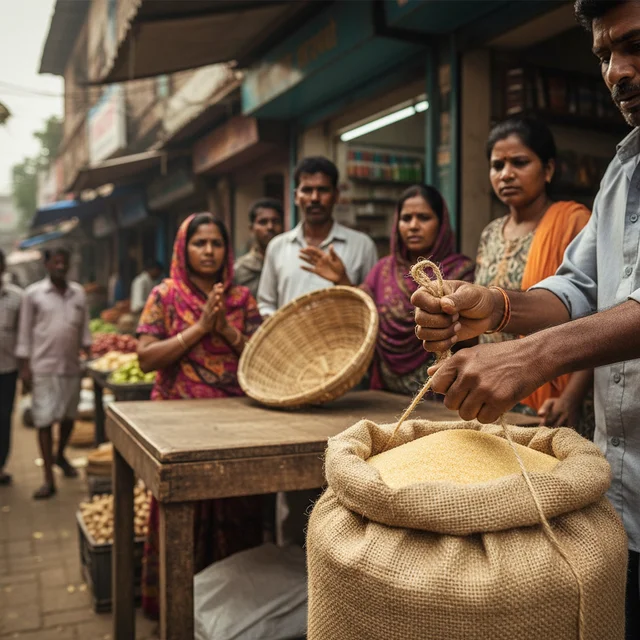
India has announced an immediate ban on sugar exports until September 30, 2026, in a move to control domestic prices and ensure adequate local supply. The government cited concerns over lower production and fears of El Niño disrupting the upcoming monsoon season.
The Directorate General of Foreign Trade (DGFT) amended the export policy for sugar under ITC (HS) Codes 1701 14 90 and 1701 99 90 from “restricted” to “prohibited” with immediate effect.
What the Ban Covers
The export prohibition includes:
- Raw sugar
- White sugar
- Refined sugar
The order will remain in force until September 30, 2026, unless extended further. If not extended, the export policy will revert to “restricted.”
Exemptions: Who Can Still Export?
Despite the blanket ban, certain exports are permitted:
| Export Type | Status |
|---|---|
| EU and US quotas (CXL and TRQ) | Allowed |
| Advance Authorisation Scheme | Allowed |
| Government-to-government (food security) | Allowed |
| Consignments in pipeline | Conditional |
Pipeline Consignments
Shipments already in the export pipeline can proceed if:
- Loading had started before the notification date
- Shipping bill was filed and vessel berthed before the order
- Consignments handed over to customs before publication
Why India Banned Sugar Exports
The government’s decision aims to control domestic sugar prices as production is expected to lag consumption for a second consecutive year. Key reasons include:
1. Lower Sugarcane Yields
Weakening sugarcane yields in key growing regions have raised concerns about domestic availability.
2. El Niño Fears
Fears that El Niño conditions could disrupt the upcoming monsoon have raised concerns over next season’s output.
3. Domestic Supply Shortage
India, one of the world’s largest sugar exporters after Brazil, needs to prioritize local supply over exports.
Impact on Traders
The ban creates challenges for traders who had already signed export contracts following the government’s additional export quotas in February 2026.
Traders’ situation:
- Permitted export quota: 1.59 million metric tonnes
- Contracts signed: ~800,000 tonnes
- Already shipped: >600,000 tonnes
According to a Mumbai-based dealer with a global trade house, “The government had provided additional export quotas in February, which encouraged traders to sign export deals. It will now be a headache for traders to fulfill those export orders.”
Global Sugar Market Reaction
Following the announcement:
- New York raw sugar futures extended gains to more than 2%
- London white sugar futures jumped 3%
India’s export ban is expected to tighten global sugar supply, potentially pushing international prices higher.
Global Sugar Export Leaders
| Country | Rank | Export Volume |
|---|---|---|
| Brazil | #1 | ~25 million tonnes |
| India | #2 | ~6-7 million tonnes |
| Thailand | #3 | ~10 million tonnes |
| Australia | #4 | ~4 million tonnes |
With India out of the export market temporarily, other major exporters like Brazil and Thailand may benefit from higher prices.
Impact on Indian Consumers
The export ban could help stabilize or reduce domestic sugar prices in India. With supply staying within the country, retailers may face less pressure to raise prices.
However, the full impact depends on:
- Domestic production figures
- Monsoon performance
- Government policy adjustments
What This Means for the Sugar Industry
For Sugar Mills
Sugar mills may face challenges fulfilling existing export commitments while adjusting to the new restrictions.
For Farmers
Sugarcane farmers could benefit from the government prioritizing domestic supply, potentially maintaining stable farmgate prices.
For Consumers
Indian consumers may see more stable sugar prices in the coming months as supply stays within the country.
Looking Ahead
The government will monitor the situation and may extend the ban if production concerns persist. The key factor to watch is the 2026 monsoon season - if El Niño conditions materialize, the ban could extend beyond September.
Key Takeaways
- India bans all sugar exports until September 30, 2026
- EU/US quota holders are exempt
- Global sugar prices jumped 2-3% on the news
- Traders face challenges with existing contracts
- Domestic prices expected to stabilize
The ban reflects India’s priority to ensure domestic food security amid production concerns. Global sugar markets will continue watching for any extensions or modifications to this policy.